Rehab 4 Addiction is a trading name of ADT Healthcare Ltd, an addiction treatment referral service. We are not a treatment provider. We refer clients to third-party treatment centres and we typically receive a fee if you book, at no extra cost to you.
In this section, we help explain what the alcohol rehab process entails, and how we can assist you or a loved one select rehab that’s best suited to your needs.
Alcohol is a physically addictive substance. Detoxing from alcohol without medical assistance is life-threatening. In this section, we explain how to detox safely.
In this section, we outline a range of evidence-based addiction treatments. These treatments are available at residential or outpatient rehab clinics across the UK and abroad.
Addiction is a disease of the mind and classified as an illness. In this section, we offer information about the most common forms of addiction affecting society in the UK.
In this section, we provide help and advice around the topic of mental health. Protecting your mental health should be a life-goal, and seeking out help for mental health issues could be the most important decision you ever make.
Alcoholism is a chronic illness, affecting over a million people in the UK alone. In this section, we provide resources to help you better understand this illness, and what to do if you or a loved one are affected by alcoholism.
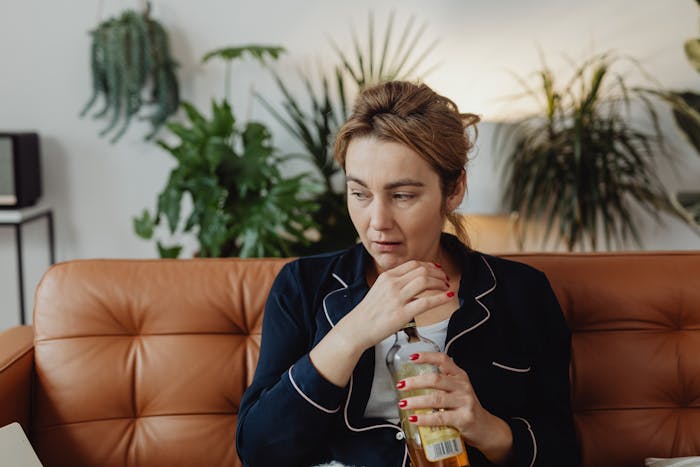
Why Drinking Alone at Home is an Important Warning Sign
There are no hard and fast rules about what constitutes as alcohol use disorder, but there are a few red flags. Find out why drinking alone at home is an important warning sign.
Drinking in moderation doesn’t necessarily mean that you have an alcohol addiction, but it’s important to understand when a habit of drinking one or two glasses from time to time becomes problematic.
It’s also important to understand why you’re drinking at home, because the reason might not be as simple as you think.
Alcohol consumption can be safe, but it can also contribute to addiction, particularly when you’re using alcohol to cope with difficult emotions, stress, anxiety, or other problems in your life.
Whether you’re drinking at home because you’re anxious, suffering from depression, or concealing how much you drink from your friends and family, here are some warning signs to look out for when it comes to drinking alone at home.
Is Drinking Alone Always a Sign of Alcohol Addiction?
No, drinking alone at home isn’t always a sign of alcohol addiction.
Many people might open a bottle of wine or grab a beer while watching a big sporting event, cooking dinner, or celebrating the end of a working week on Friday evening.
But drinking alone can become a warning sign when it starts becoming a regular or necessary part of your routine.
It depends entirely on the context, from how often you drink, how much you drink, why you drink, and how difficult you find it to stop. These are more useful indicators than simply whether you drink alone.
If you find yourself regularly looking forward to your first drink of the evening, drinking more than you intended, or feeling unable to relax without alcohol, it may be time to take a closer look at your drinking habits.
Why Drinking Alone at Home Can Become a Warning Sign
One or two drinks every week or so isn’t necessarily a warning sign, but things can become more concerning when drinking starts increasing in frequency or becomes something you rely on.
Here’s how drinking alone at home can become a warning sign:
Alcohol becomes part of your daily routine: When drinking becomes a daily occurrence, it’s a warning sign regardless of whether you’re drinking at home or at the pub with friends. Regular alcohol consumption can increase your risk of developing alcohol dependence, especially when the amount you drink gradually increases
Drinking becomes a way to cope with emotions: Self-medication is one reason people may turn to alcohol when they’re struggling with their mental health. Anxiety, depression, stress, loneliness, and other difficult emotions can make alcohol seem like an easy way to feel better temporarily. A study from the UK government shows that around 74% of addicted people suffer from another mental health issue. But using alcohol to manage these feelings can create a cycle where you increasingly rely on drinking to cope
Alcohol no longer requires a social occasion: Many people drink at parties, weddings, restaurants, or pubs with friends. When alcohol becomes something you regularly consume by yourself, it can indicate that drinking is becoming less about socialising and more about how it makes you feel
You start hiding or concealing your drinking: Some people drink alone because they’re aware of how much they’re drinking but are ashamed or worried about what other people might think. Drinking at home provides a private environment where they don’t have to explain themselves
You gradually drink more than intended: Whether it’s the frequency or quantity of your drinking, consuming more alcohol than you originally intended can be a warning sign. You might initially plan to have one drink but find yourself having several more
How Drinking Alone Can Develop Into Dependence
Drinking alone doesn’t automatically mean that you’re dependent on alcohol. However, frequent drinking can contribute to a pattern where alcohol becomes increasingly important in your everyday life.
Here’s how drinking can develop into dependence:
Habit-forming: When you repeatedly drink at the same time or in the same environment, your brain can begin associating that routine with alcohol. For example, you might start associating finishing work with opening a bottle of wine or sitting down to watch television with pouring yourself a drink
Normalising drinking outside social occasions: If you start drinking by yourself, particularly if this is a new routine, alcohol can gradually become something you see as normal in everyday life. This can make it easier to justify drinking more frequently because there is no longer a specific social occasion needed
Using alcohol to relax, sleep or manage stress: Difficult emotions are part of life, but using alcohol to manage them can create problems over time. Instead of developing healthier coping mechanisms, you may begin relying on alcohol whenever you feel stressed, anxious, lonely, or unable to sleep
Increasing tolerance: If you find yourself needing more alcohol to experience the same effects you previously felt, your tolerance may have increased. This can encourage you to consume larger quantities, potentially increasing your risk of developing dependence and experiencing alcohol-related harm
Developing cravings: Cravings can involve intense thoughts or urges to drink. You might find yourself thinking about your next drink throughout the day or feeling particularly uncomfortable when you try not to drink. Physical withdrawal symptoms will also appear when someone you are physically dependent on alcohol
Warning Signs That Solitary Drinking is Becoming a Problem
It’s imperative that you’re honest with yourself when assessing the level of your dependence. You can take the Alcohol Use Disorder Identification Test (AUDIT) for a quick and easy way to score your level of dependence.
Or you can quickly ask yourself the following questions to recognise any signs of alcohol addiction:
You’re drinking alone almost every evening
You look forward to drinking at the end of the day
You regularly drink more than you intended to
You’re discreet about your drinking or hide it from others
You feel irritated, anxious, or uncomfortable when you can’t get alcohol
You find it difficult to unwind without drinking
You spend more time thinking about alcohol than you used to
You’ve tried to cut down but struggled to stick to your plans
Your drinking is affecting your relationships, work, finances, or health
You understand the consequences of drinking but continue to drink anyway
None of these signs alone proves that someone has an alcohol addiction. But the more of them you recognise, the more useful it may be to speak to a healthcare professional or addiction specialist about your drinking.
How to Stop Drinking Alcohol Alone at Home
Drinking at home doesn’t have to remain part of your routine forever. Whether you’re trying to break an unhealthy habit or you’re concerned that you may have developed an alcohol dependence, there are lifestyle changes that can support your recovery.
However, there’s an important distinction to make here. If you drink heavily or regularly and think you may be physically dependent on alcohol, don’t suddenly stop drinking without medical advice. Alcohol withdrawal can be dangerous and, in severe cases, life-threatening.
If you’re safe to reduce or stop drinking, some changes you can make include:
Create an alcohol-free home: Firstly, you’ll need to create an environment that supports your recovery. Removing alcohol from your home can make it harder to act on an impulsive craving. This can mean getting rid of full bottles as well as empty bottles that remind you of drinking
Develop new hobbies: Many people in recovery develop new hobbies and interests, from running, yoga, mindfulness, and cooking to learning an instrument or reading. There are thousands of things you can do to stimulate your mind, develop new skills, and keep your body active
Create a new evening routine: At first, it might feel like there’s a huge absence in your new routine. It’s therefore essential to create alternative routines that don’t revolve around alcohol. Whether you exercise after work, read before bed, cook a meal, or go for an evening walk, replacing your old routine can help you establish a healthier lifestyle
Improve your sleep routine: A good night’s sleep is essential for your physical and mental wellbeing. Alcohol can interfere with normal sleep patterns, so changing your drinking habits may eventually help you establish a healthier sleep routine. Try going to bed and waking up at consistent times, reducing screen time before bed, and creating a relaxing evening routine
Spend more time with supportive people: It’s imperative to surround yourself with people who support your recovery and have your best interests at heart. Positive reinforcement can make a significant difference, particularly when you’re experiencing cravings or questioning whether you should continue with your recovery
Find alternative ways to manage stress: Developing healthy coping mechanisms is essential to addiction recovery. We all experience difficult times, whether or not we’re suffering from addiction. We can’t avoid every source of stress, so learning how to manage our emotions is an important part of developing a healthier lifestyle
What if You Can’t Stop Drinking Alone?
If you’ve tried to stop drinking alone but repeatedly find yourself returning to alcohol, don’t automatically assume that you lack discipline or willpower.
Alcohol dependence can change the way your brain and body respond to alcohol, it causes physical and psychological changes. This can make stopping difficult, particularly if you’ve been drinking heavily or regularly for a prolonged period.
Instead of repeatedly trying to stop on your own, consider speaking to a GP, addiction specialist, or drug and alcohol treatment service. They can assess your drinking habits and determine whether you require additional support.
If you’re physically dependent on alcohol, stopping suddenly can cause withdrawal symptoms. These can range from relatively mild symptoms such as anxiety, sweating, nausea, and shaking to serious complications such as seizures or delirium tremens.
This is why professional advice is particularly important if you’re drinking heavily every day or experiencing withdrawal symptoms when you don’t drink.
When You Need Professional Support
Professional addiction treatment can provide a structured environment where you can address both your drinking and the reasons behind it.
Depending on your circumstances, treatment might involve a medically supported detox, individual counselling, Cognitive Behavioural Therapy (CBT), relapse prevention planning, group therapy, and aftercare.
There are misconceptions about what therapy might entail, but ultimately it can help you understand why you’re drinking alone in the first place.
If alcohol is a way to cope with anxiety, depression, stress, loneliness, or difficult experiences, addressing these underlying issues can be an important part of establishing long-term recovery.
Recovery is about developing a lifestyle where you no longer need alcohol to relax, cope with stress, socialise, or get through difficult moments. This takes the right skillset and confidence in your lifestyle – which is something most people don’t have today.
Reach Out to Rehab 4 Addiction Today
If drinking alone at home has become a regular part of your life and you’re finding it difficult to stop, you don’t have to tackle the problem alone.
At Rehab 4 Addiction, we can help you understand your treatment options and connect you with suitable drug and alcohol addiction treatment services.
Whether you’re looking for advice about detox, residential rehab, outpatient treatment, or ongoing recovery support, our team can help you understand what steps you can take next.
Call Rehab 4 Addiction today on 0800 140 4690 to discuss your options and take the first step towards a healthier, alcohol-free lifestyle. You’ll be greeted by a friendly admissions officer who’s there to answer any question you have.
To provide the best experiences, we use technologies like cookies to store and/or access device information. Consenting to these technologies will allow us to process data such as browsing behaviour or unique IDs on this site. Not consenting or withdrawing consent, may adversely affect certain features and functions.
Functional
Always active
The technical storage or access is strictly necessary for the legitimate purpose of enabling the use of a specific service explicitly requested by the subscriber or user, or for the sole purpose of carrying out the transmission of a communication over an electronic communications network.
Preferences
The technical storage or access is necessary for the legitimate purpose of storing preferences that are not requested by the subscriber or user.
Statistics
The technical storage or access that is used exclusively for statistical purposes.The technical storage or access that is used exclusively for anonymous statistical purposes. Without a subpoena, voluntary compliance on the part of your Internet Service Provider, or additional records from a third party, information stored or retrieved for this purpose alone cannot usually be used to identify you.
Marketing
The technical storage or access is required to create user profiles to send advertising, or to track the user on a website or across several websites for similar marketing purposes.