Opioid overdoses are one of the most preventable deaths in the UK.
Yet, many fatalities happen due to people nearby not knowing what to do or not having the right tools.
A powerful life-saving intervention that’s available today includes naloxone, and takes little time to learn how to use it.
At Rehab 4 Addiction, we strongly recommend that families, friends, professionals, and members of the community understand naloxone training. In an overdose, minutes can matter more than medical qualifications.
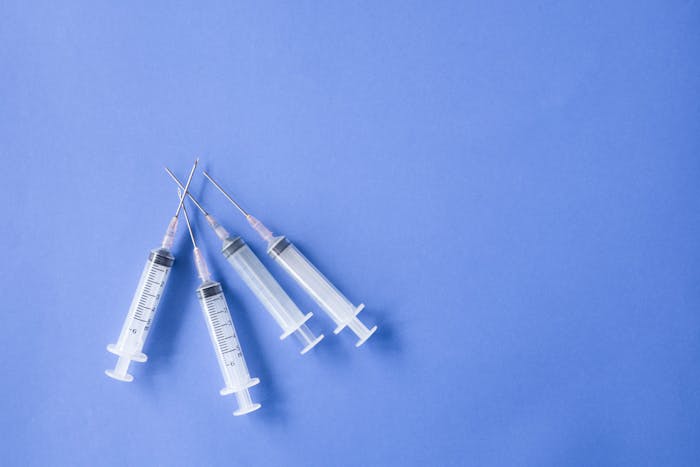
Naloxone is an important medication that rapidly reverses opioid overdoses. It works by blocking opioids such as:
Opioids overload the body, causing the brain to shut down breathing. This happens when opioids fit into specific receptors in the brain that affect breathing.
During an overdose, breathing can stop completely. Naloxone, then, works by removing the opioids from the brain’s receptors temporarily, allowing breathing to restart.
An important thing to remember is that naloxone does not generally harm someone who has not taken opioids. So if you’re unsure if someone’s overdose is opioid-related, it is still safe to give naloxone.
Guidance in the UK confirms naloxone is safe, fast-acting and suitable for community use.
Many overdoses do not happen in a medical facility where help is on hand.
They occur:
This means that the first responder is usually not a paramedic. It can be:
Being trained on what to do in situations of overdose gives ordinary people the feeling of empowerment to know what to do in this kind of emergency, and it could save a life.
Naloxone training is recommended for anyone who may encounter opiate use.
You should consider training on what to do in an opiate overdose if you are:
Naloxone training teaches you how to recognise the difference between being intoxicated and a medical emergency requiring attention.
Common overdose symptoms include:
If someone is unconscious and their breathing is abnormal, treat this as a medical emergency immediately.
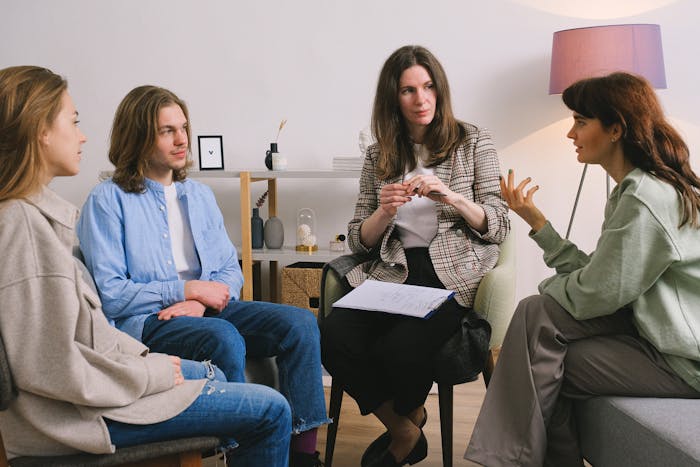
A training session for using naloxone typically includes:
You might learn about high-risk situations, such as:
You get trained in how to:
In the UK, there are two forms of naloxone:
Naloxone works within 2-3 minutes of being administered. But it lasts 30-90 minutes, while the effects of opioids may last longer.
This is why calling emergency services is essential, even if the person wakes up and appears fine. The overdose can return once naloxone wears off.
Many people may begin to feel withdrawal symptoms, such as:
Naloxone training will prepare you to stay calm and continue to keep them safe while further help arrives.
You can receive training for naloxone through:
Ask your local services or contact us at Rehab 4 Addiction. We can direct you to local providers that offer naloxone training or further guidance near you.
Naloxone training can be particularly beneficial to families or loved ones of people in recovery from opioid addiction.
After someone has gone through detox and treatment, they can be especially at risk of a fatal overdose if they relapse in recovery.
You do not need medical knowledge to receive training on how to administer life-saving naloxone, and it can prove crucial if ambulances are unable to respond in time during an overdose.
One short session could be the difference between a tragedy and a second chance.
Contact Rehab 4 Addiction today at 0800 140 4690 for confidential guidance and referrals to services across the UK.
https://naloxone.org.uk/naloxone-resources/
Boris is our editor-in-chief at Rehab 4 Addiction. Boris is an advisor with more than 20 years in the field. His knowledge covers a broad of topics relating to addiction, rehab and recovery. Boris is an advisor and assists in the alcohol detox and rehab process. Boris has been featured on a variety of websites, including the Verywell Mind and Healthline. You can connect with Boris online at LinkedIn or X.com.
 September 6, 2026
 September 5, 2026