It’s that time of year again, Mental Health Awareness Week!
What an incredible cause to share with you in today’s blog post.
Many of us have experienced mental health problems in some way, whether minor or major, and this week, we can show our collective support by wearing our green ribbon pins, making donations, and educating ourselves on mental health.
At Rehab 4 Addiction, our specialism is addiction (a mental health condition in and of itself). We work with people with substance use disorders who are interested in getting sober.
If that sounds like you, please don’t hesitate to call our 24/7 helpline on 0800 140 4690 (UK) or +44 345 222 3508 (international).
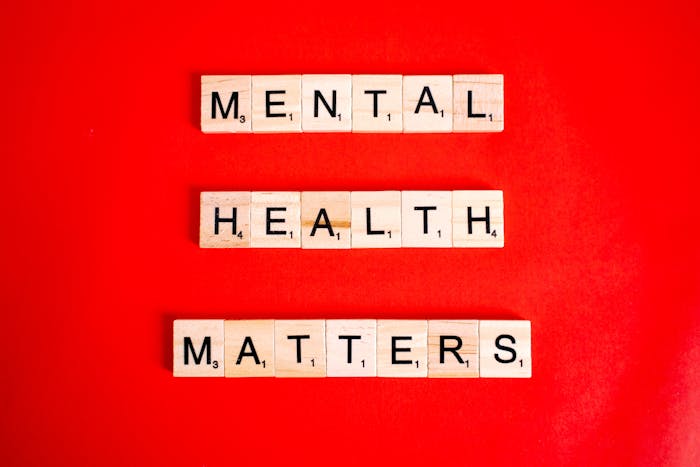
On 11-17 May 2026, Mental Health Foundation is taking action to support good mental health (1).
Their goal is to encourage us to not only be aware of mental health, but take action for ourselves and others. As well as browsing resources, raising awareness in our local areas, and donating, Mental Health Foundation is encouraging us all to have a Wear it Green Day.
Wearing a green ribbon pin and/or green clothes shows we’re supporting anyone who’s dealt with mental health challenges. Many people have suffered in silence, so you never know how much your support will mean to those around you.

Self-care isn’t just for the times you feel relaxed and ready to prioritise yourself. It’s a preventative way of living, ensuring you stay on top of your mental health regardless of what’s going on in your life.
When you make time for your own needs, and introduce self-care to all aspects of your life, the benefits are endless. With consistent self-care, you may start to notice:
The things you don’t notice are just as important. Healthy self-care habits help you to avoid unhealthy coping mechanisms, including substance use.
The latter often starts when you haven’t recognised your emotional state, and you reach for drugs out of ease and desperation.
However, if self-care is already a priority for you, you’ll be much more attuned to your feelings, and able to implement useful strategies as soon as you start to feel stressed.
So, how can you tell when you’re just having an off day, and when it’s time to get support?
Duration is the main thing to look out for.
If you occasionally feel anxious or down, that’s normal, and you may be able to work through it using emotional regulation techniques.
However, if negative symptoms are persisting, that’s when it’s time to consider professional support. Specific signs to look out for include:
In terms of addiction in particular, it’s important to look for the initial signs of dependency. That’s when it’s no longer entirely your own choice to take drugs.
Instead, you’re drawn to it because you feel as though you need it, physically and/or emotionally.
This is actually a great point to get professional help, as early intervention can be very effective. Options include inpatient drug and alcohol rehab, outpatient services, and home detoxing with additional therapy.

Let’s go back to basics.
We know that sleep and diet can’t fix a mental health condition, but prioritising these basic needs can prevent poor mental health from occurring, or help you to get through each day if you’re already struggling emotionally.
Have a think about how you can improve the following:
Mental health management can feel like a lonely task. After all, no one else is in your head, and only you feel the full benefits of a healthy mind and body.
You don’t have to go on this journey alone. Even if some self-care tasks are independent, you can still involve your loved ones in your mental health journey, and vice versa.
Even just spending quality time together and supporting one another emotionally is a great way to connect.
As they say, a problem shared is a problem halved. Don’t underestimate the power of reaching for connection when you’re struggling.
When you start to prioritise your mental health, you’ll quickly realise that you can’t make changes without letting go of other things in life, or at least making them a lower priority.
For example, if work is causing great stress, you can’t look after yourself effectively without shifting your attitude to work, or making changes to the way you work.
It’s healthy to say no sometimes. Your mental health should always be a top priority, and if that means setting boundaries, that’s what we’d strongly recommend.
Perhaps it simply looks like informing your workplace of your struggles so they can support you, or in more extreme cases, it may look like reducing your hours.
Not everyone is in a position where they need to implement such big changes. Sometimes, all you need to do is work on yourself, so that you’re better able to handle the stress that comes with work.
Before you adapt your lifestyle, think about what’s causing you stress right now, and what minor changes you can make to combat this.
Maybe you decide to wake up earlier in the morning and enjoy a relaxed morning routine, or get out for a walk every lunchtime instead of eating at your desk. These little things can have enormous effects on your wellbeing.
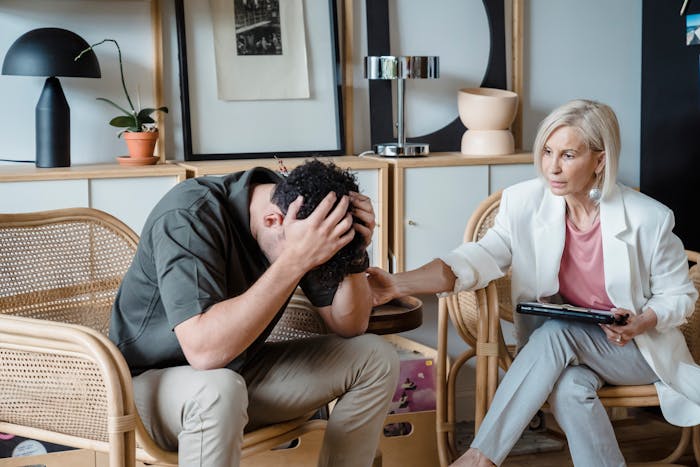
Substances can provide short-term relief from our mental health problems. This leads people to believe they can get through life by relying on substances for relief, but it’s a dangerous trap.
At first, it’s a choice, something people intentionally do to escape their poor mental health, but it doesn’t always remain a choice. At some point, addiction is likely to kick in, and the user is no longer able to put down the substance. What started as short-term relief creates long-term harm.
There are several reasons people with poor mental health are more likely to fall into this trap. The main one is that they may already be searching for ways to numb their pain, and drugs are often too convenient and attractive an option.
If they haven’t received adequate professional support for their mental health, they may not know that they have underlying issues that need to be worked on, and will only worsen with drugs.
Self-care isn’t a perfect solution for mental health challenges. It’s more of an essential tool for your mental health toolkit.
If you’ve got a diagnosed mental health condition, or persistent mental illness symptoms, self-care won’t be enough for you to thrive.
Working with a qualified therapist or counsellor will give you the support you need to gradually improve your mental health by challenging harmful thought patterns and introducing healthy habits.
This Mental Health Awareness Week, we want to invite anyone with addiction problems to reach out to us for a free, confidential telephone assessment.
Our services are completely tailored, so our advisors will ensure you are referred to the best possible place for you. In terms of addiction-related mental health support, we have many years of experience offering advice and guidance, and we would love to offer the same care to you.
Interested? Give us a call on 0800 140 4690 (UK) or +44 345 222 3508 (international).
Below, we answer some common questions around this topic:
Yes, everyone has mental health. The phrase is commonly misinterpreted, so you may hear some people say that they suffer from mental health.
A more accurate description is that everyone has mental health, but only some people struggle with mental health issues (also known as mental illness).
This depends on what you mean by “anxiety”. Everyone feels anxious from time to time, as it’s part of the full range of human emotion, alongside feelings such as sadness and anger.
However, not everyone suffers from an anxiety disorder, which is primarily marked by excessive anxiety or prolonged anxiety. These conditions include generalised anxiety disorder (GAD) and social anxiety disorder (SAD).
[1] https://www.mentalhealth.org.uk/our-work/public-engagement/mental-health-awareness-week
Boris is our editor-in-chief at Rehab 4 Addiction. Boris is an advisor with more than 20 years in the field. His knowledge covers a broad of topics relating to addiction, rehab and recovery. Boris is an advisor and assists in the alcohol detox and rehab process. Boris has been featured on a variety of websites, including the Verywell Mind and Healthline. You can connect with Boris online at LinkedIn or X.com.
 September 6, 2026
 September 5, 2026