Sober October is here, and we’re thrilled that so many people are willing to reduce or cut out alcohol for a full month!
Safe preparation is vital for Sober October.
Not everyone can safely quit alcohol all in one go, so it’s important to speak to a medical professional if you are showing any signs of alcohol dependence, or if you’re unsure about your risk level.
You can also get in touch with us on 0800 140 4690 if you have any concerns about your relationship with alcohol. We’re here to support you.
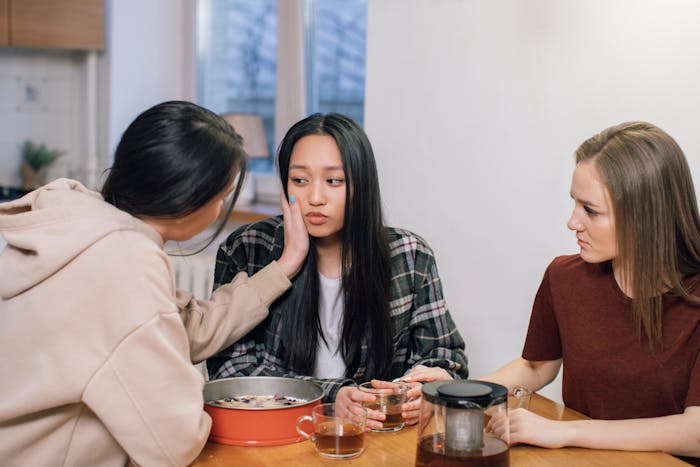
Are you up for (safely) going alcohol-free for 31 days this October?
In the spirit of Sober October, people all over the country will be giving up alcohol this month, with many using it as an opportunity to improve their relationship with alcohol.
Sober October initially started as a fundraiser for Macmillan Cancer Support, but it’s now a wider movement that many individuals get involved with.
As well as breaking unhealthy drinking habits, Sober October helps people:
Please don’t attempt Sober October if you’re dependent on alcohol. It can be extremely unsafe to stop drinking suddenly, so it’s advised to speak to your GP first.
This campaign is suitable for people who aren’t dependent or addicted to alcohol, but would like to cut down for other reasons.
Lots of people see Sober October as a reset button. It doesn’t fix anything, but it gives people the push they might need to reconsider their relationship with alcohol, and form healthier habits.
The “cold turkey” method, which means cutting out alcohol suddenly, is dangerous for people who are dependent on alcohol.
Even though it may sound like the healthiest choice to make, once physical dependence is in the picture, we have to be very careful in withdrawing from alcohol.
Gradual withdrawal is much safer, especially if a medical professional is involved. It also makes it more likely that the individual will stay sober long-term, rather than relapsing immediately.
If you’re unsure which category you fall into, please go to your GP for advice. They will be familiar with the signs of alcohol dependence, and they can provide you with the right support if it turns out you are dependent.
Some signs to look out for yourself are:
It’s an uncomfortable question for some, but an essential one.
Before you get going with Sober October, it’s always best to do an honest self-assessment of your relationship with alcohol. Otherwise, you won’t know what your goals are, and it’ll be tricky to stick to sobriety for the full month.
Ask yourself questions like:
This isn’t about creating shame. Whether you’re happy with your answers or not, it gives you information about how you want to approach Sober October, and if you want to change your lifestyle beyond that.

There are two common approaches to Sober October: total abstinence and reduction.
We can’t tell you which method will work best for you. On one hand, abstinence is better for your health, and it’s the method used by most rehab facilities, so it can be very successful.
However, for some people, total abstinence creates a black-and-white mindset that makes them drink more heavily before and after Sober October.
It’s needed for people who battle addiction, but it may not be necessary for someone without addictive behaviours.
The way we look at it, abstinence or reduction, if you’ve improved your drinking habits, you’ve won.
That said, it’s helpful to set clear intentions before you start, otherwise you could end up being extremely flexible, and it may feel as though you aren’t even participating in Sober October.
We recommend strategies such as:
It’s tough to go sober for a whole month, especially if you have lots of social plans coming up.
Preparing practically means you’re already set up to take on the challenge, and the only thing that needs to change from there is your mindset.
Here are some tips for practical planning!
Sober October isn’t about being a recluse, but there are certain events that you know will be harder to navigate than others. If you feel as though you’ll really struggle to not drink, consider turning down those plans.
You may not need to do this for the whole of Sober October, but it’s about identifying the highest-risk situations when you’re at your most vulnerable, and protecting yourself from them.
Plan fun activities that don’t require you to drink. This will distract you from any FOMO you may feel, and could also lead to new friendships with people who are also doing Sober October.
One of the biggest challenges of Sober October is walking past the alcohol in your kitchen and making a conscious choice not to drink it.
You don’t have to put yourself through it! Replace your alcohol with non-alcoholic alternatives before Sober October starts, and it’ll be much easier to relax at home without feeling tempted to drink.

It’s very common to worry about socialising when sober. Lots of people rely on alcohol to boost their confidence, and when it’s suddenly not available, it can feel impossible to relax.
There’s a psychological element to this. Remember you are capable of socialising confidently, you’ve just adapted to the feeling alcohol gives you.
People aren’t analysing you as intensely as you might fear, and you probably come across much better than you imagine.
Softening your inner critic is a great way to ease into sober socialising (1).
We know this takes time. As you get used to socialising sober, make it easier for yourself by:
This Sober October, many people will be realising that their relationship with alcohol is running their lives. That’s when we step in.
Getting help independently can be exhausting and lonely. When you reach out to us, you can rely on our brilliant relationships with diverse treatment centres, and our personalised advice for sobriety, to access a speedy referral for treatment.
Don’t hesitate to get in touch! We’re here for you on 0800 140 4690.
Below, we outline answers to common questions about Sober October:
Some people feel the benefits of Sober October very quickly. They may enjoy the lack of hangover, more energy, more time for things they enjoy or important tasks, and a dopamine boost from letting go of unhealthy habits.
However, it’s more common to start to feel the full benefits after a few weeks. Depending on how much someone drinks, quitting alcohol can feel worse before it feels better, but after a few weeks, people tend to notice things like better sleep, more patience, and increased motivation.
Yes, of course you can!
Sober October and Dry January share the same goal of reducing alcohol intake and encouraging people to assess their drinking behaviours.
If you got involved in both, you’d be improving your health twofold!
Keep in mind that your daily habits throughout the year reflect your relationship with alcohol. If your goal is to develop healthier habits, try to make general changes to your life, not just during October and January.
Firstly, keep in mind that this is a sign of dependence, and it’s best to go to your GP in case your health is at risk.
However, more generally, there are techniques you can use when you’re craving alcohol, such as:
[1] https://www.apa.org/topics/substance-use-abuse-addiction/socializing-no-alcohol
Boris is our editor-in-chief at Rehab 4 Addiction. Boris is an advisor with more than 20 years in the field. His knowledge covers a broad of topics relating to addiction, rehab and recovery. Boris is an advisor and assists in the alcohol detox and rehab process. Boris has been featured on a variety of websites, including the Verywell Mind and Healthline. You can connect with Boris online at LinkedIn or X.com.
 October 1, 2026
 September 6, 2026