Over the last few years, people have been increasingly questioning their relationship with alcohol.
From Dry January to Sober October, shorter-term sobriety challenges are a popular way to completely reset your habits, improve your overall wellbeing and understand drinking habits.
A widely known version of these is the Sober 30 Challenge,
This blog looks at exactly what the Sober 30 Challenge is, how it works, and whether just 30 days can really make a difference.
Warning: People who are clinically alcohol dependent can experience serious withdrawal symptoms that can be fatal if they suddenly, completely stop drinking.
If you experience fits, shaking hands, sweating, hallucinations, depression, anxiety, or difficulty sleeping after a period of drinking and while sobering up, then you may be clinically alcohol dependent and should NOT suddenly, completely stop drinking.
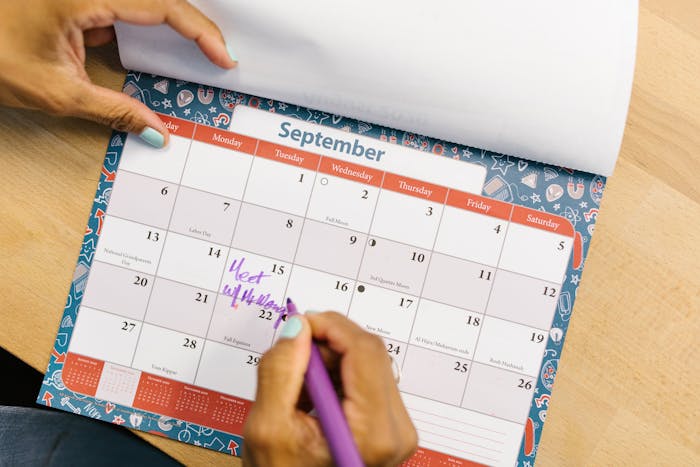
The Sober 30 Challenge is a commitment to personally abstain from alcohol for 30 consecutive days. It differs from long-term sobriety in the sense that it is designed for only a short-term period.
Some benefits from the challenge include:
You can take on this challenge at any time of the year, but there are also many initiatives throughout the year that you can join such as Dry January or Go Sober for October.
These challenges do not mean you need to go through drastic lifestyle changes, but you should try to refrain from alcohol for the 30 days.
You might also use this opportunity to improve other aspects of your life, such as diet, exercise and sleep hygiene. [1]

Someone might join the Sober 30 Challenge for many different reasons.
Some people want to cut back after realising their drinking habits have increased, while others might worry about their health or emotional wellbeing.
Common motivations to quit drinking for 30 days include:
For some, the challenge acts as a wake-up call that leads to long-term sobriety or reaching out for further support for alcohol dependence or alcohol addiction.

30 days may seem like a short period of time, but research and lived experience reveal that removing alcohol for even just a month can result in noticeable improvements. [2]
Below are just some of the benefits the Sober 30 Challenge can offer:
Alcohol disrupts REM sleep and reduces your overall sleep quality. [3] During the Sober 30 Challenge, many people have reported experiencing:
Having better sleep is often overlooked in addiction recovery, but it can significantly improve your mood, concentration and productivity.
Since alcohol is a depressant that affects your brain chemistry, stopping alcohol for 30 days can improve your overall mental health and emotional stability.
Quitting drinking, even just for 30 days, can:
A valuable benefit of the Sober 30 Challenge is awareness of your relationship with alcohol. After 30 days of abstinence, many gain an understanding of:
If you find the challenge particularly challenging, or experience withdrawal symptoms, this may indicate a stronger dependency that needs professional support.
Alcohol affects nearly every organ of the body, so removing it for a month can have a number of positive impacts, including:
Many also experience weight loss due to the high amount of calories in alcohol, especially beer.
The Sober 30 Challenge is generally safe for most people, but you should seek medical guidance, especially if you drink a moderate to high amount of alcohol.
It can be incredibly dangerous to suddenly stop drinking alcohol if you are dependent on or addicted to alcohol. Doing so can lead to potentially lethal alcohol withdrawal symptoms, such as:
You should never attempt to suddenly quit drinking if you are a regular drinker, you have severe cravings, blackouts or withdrawal symptoms. In these cases, a medically supervised detox is advised.
If you are not sure how dependent on alcohol you are, it is best to seek professional advice.
We can help advise you on what treatment would be appropriate for your specific circumstances, or whether the Sober 30 Challenge is fine for you.

Once you have completed the 30 days, you may decide to return to drinking or give up drinking altogether.
Following the challenge, you may find that:
The Sober 30 Challenge often paves the way for long-term recovery or significant lifestyle change.
If you’re considering taking on the challenge, particularly for the New Year, the following can help enforce and sustain your efforts: [5]
If previous attempts to cut back on alcohol have been unsuccessful or if you have a dependence or addiction to alcohol, support is available.
Treatment options include:
At Rehab 4 Addiction, we help individuals to access the support they want, from detox services to inpatient rehab.
Call 0800 140 4690 today for further advice and support.
[1] https://pmc.ncbi.nlm.nih.gov/articles/PMC10941816/
[2] https://www.sciencedirect.com/science/article/abs/pii/S0741832924001721
[3] https://www.ncbi.nlm.nih.gov/pmc/articles/PMC5821259/
[4] https://www.ncbi.nlm.nih.gov/books/NBK441882/
[5] Compton, M. (2020). Last Drinks: The Guide to Getting Sober and Staying Sober. London: HarperCollins.
Boris is our editor-in-chief at Rehab 4 Addiction. Boris is an advisor with more than 20 years in the field. His knowledge covers a broad of topics relating to addiction, rehab and recovery. Boris is an advisor and assists in the alcohol detox and rehab process. Boris has been featured on a variety of websites, including the Verywell Mind and Healthline. You can connect with Boris online at LinkedIn or X.com.
 September 6, 2026
 September 5, 2026