This July, we’re taking part in Alcohol Change UK’s Alcohol Awareness Week. Will you be joining us?
It’s a time to acknowledge the dangers of drinking harmfully, explore tips for reducing drinking, and support one another as we open up about our unique stories of dependence.
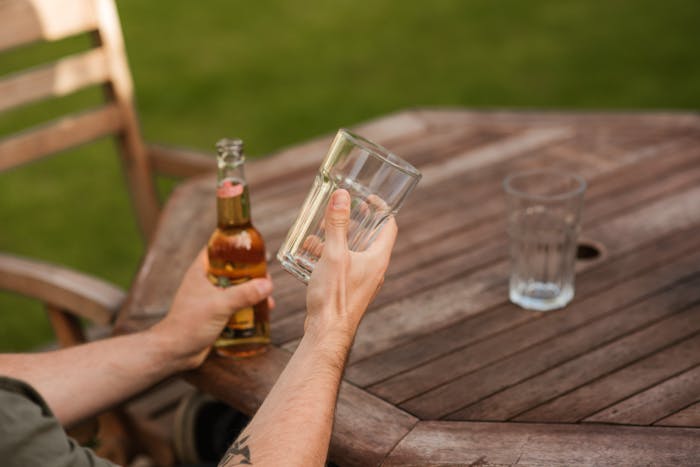
Starting 6th July 2026, people around the world will take part in Alcohol Awareness Week.
Organised by Alcohol Change UK, it’s a week that throws the spotlight on the harms of alcohol and helps people to cut down on their alcohol intake.
2026’s theme is “alcohol and me”. It’s a highly personal theme, encouraging people to explore their own relationships with alcohol and share their stories.
Alcohol Change UK is inviting us to take two minutes to explore the role alcohol is playing in our lives. It’s in these brief reflections that we sometimes realise we’ve been dealing with a serious problem.
Early awareness can give us an opportunity to get sober while our dependence is still mild, avoiding severe long-term issues.
To take part in Alcohol Awareness Week, we encourage you to:
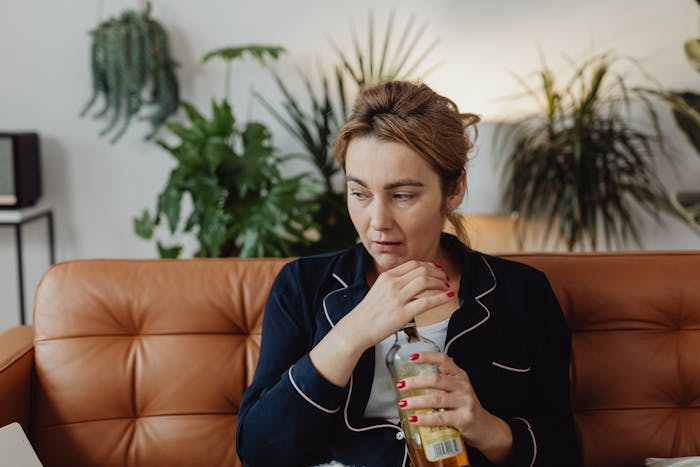
Alcohol dependence describes a physical reliance on alcohol, which makes it difficult for someone to get sober without professional help.
Not everyone who drinks alcohol is dependent on it. Even if they drink regularly, they may not have developed a dependence. This is because dependence isn’t defined by how much you drink, what you drink or when you started drinking.
It’s about experiencing withdrawal symptoms if you stop drinking.
The difference between alcohol dependence and alcohol addiction is that the former refers to the physical attachment to alcohol, whereas addiction describes the psychological aspect.
It’s possible to be dependent on alcohol without being addicted. This would mean you experience physical symptoms when you stop drinking alcohol, but you’re not psychologically reliant on it.
However, many people with dependence also battle addiction, or go on to battle it. This means that when they get professional support, they need treatment that addresses both the physical and psychological symptoms.
Inpatient rehab is the gold standard treatment that incorporates alcohol detoxing, addiction therapy, and various other evidence-based strategies that reduce relapse in people with alcoholism.
It’s very common for early signs of alcohol dependence to be missed, and this sometimes means a full-blown addiction develops.
Signs are missed for various reasons, including:

Below, we outline some of the early signs of having an alcohol problem:
Let’s be clear: if you have a dependence on alcohol, reducing your drinking isn’t enough. It could be very dangerous if you attempt it without medical advice.
In extreme cases, people can experience a condition called delirium tremens, which can cause death. It leads to dangerous shifts in breathing, circulation and temperature control (1).
For anyone with a dependence or addiction, the safest route you can take is going to your GP, or going straight to residential rehab to start a treatment programme.
Total abstinence is the way to go, as addiction is an illness, and continuing to drink even small amounts makes it very tricky to stay sober.
If you’re not in this situation and you’d simply like advice on reducing your alcohol intake, here are some suggestions:
Did you know that alcohol addiction is a mental health diagnosis?
You can be diagnosed with alcohol use disorder, and just like any other mental health condition, a range of factors can be at play, e.g., genetics, environment, trauma, and adverse life experiences.
This Alcohol Awareness Week, we encourage you to open your mind to the idea of addiction as an illness. If you haven’t ever thought of it this way, rest assured that it’s now widely accepted in the medical world, and it’s had significant implications on addiction treatment.
If you or someone you love is battling addiction, you now know that it’s not a decision they’ve made to ruin their life, or the lives of those around them. It’s a disease of the brain that requires ongoing treatment.
That said, we can’t let go of all responsibility. Addiction can still be worked on, which is why it’s so important for people with alcoholism to get professional help for their struggles.
Many people with alcoholism also have a co-occurring mental health condition, such as OCD, bipolar disorder, depression or anxiety.
Treatments can be adapted to ensure all conditions are addressed during recovery, as the symptoms of these conditions can impact the individual’s addiction experience significantly.
Dependence can sneak up on you when you least expect it. Take the time this week to think about whether your relationship with alcohol could be healthier.
If you realise you need professional support, reach out to us on 0800 140 4690 (UK) or +44 345 222 3508 (international). We’re here to help!
Below, we answer some common questions around this topic:
No, alcohol dependence is not the same as hazardous or harmful drinking. The latter comes first, and although it’s risky, it’s much easier to stop this behaviour.
For example, someone might binge drink every weekend, and whilst it’s hard for them to stop, they can do so without experiencing withdrawal symptoms, or needing professional intervention. They are still in control.
Alcohol dependence is something that requires treatment, as it means the individual is now unable to function properly without alcohol in their system, yet alcohol is causing damage.
Often, hazardous drinking results in dependence, though dependence can happen regardless.
This depends on your situation. If there’s any dependence there, it’s necessary to seek medical advice, and cut down slowly. Quitting cold turkey can lead to severe medical complications.
However, for people who are drinking too much but are not yet dependent, it may be safe to cut out alcohol altogether.
If you’re unsure, please go to your GP, who will help you settle on the safest decision.
Don’t wait until you’re addicted to alcohol to get help. If you’re currently dependent on alcohol, that’s a good enough reason to embrace recovery. Dependence alone is damaging, and it very often leads to addiction.
[1] https://www.health.harvard.edu/diseases-and-conditions/alcohol-withdrawal-a-to-z
Boris is our editor-in-chief at Rehab 4 Addiction. Boris is an advisor with more than 20 years in the field. His knowledge covers a broad of topics relating to addiction, rehab and recovery. Boris is an advisor and assists in the alcohol detox and rehab process. Boris has been featured on a variety of websites, including the Verywell Mind and Healthline. You can connect with Boris online at LinkedIn or X.com.
 September 6, 2026
 September 5, 2026