Spain is one of the most popular holiday destinations for people who live in the UK. With its hot climate, beautiful blue sea, buzzing cities and tasty cuisine, Spain attracts millions of visitors every year.
However, for people currently recovering from an addiction, the thought of travelling to Spain can feel incredibly daunting due to the fact that alcohol is often closely associated with Spanish holidays.
Whether it means sangria by the beach, wine with your tapas, or late-night socialising in bars, alcohol and Spanish culture is closely linked [1].
The good news is that it is entirely possible to enjoy a holiday in Spain without drinking alcohol.
In fact, many people find that travelling to Spain whilst remaining sober allows them to experience the country in a better and more authentic way.
Without the distractions of alcohol, people are able to appreciate the culture, food, history and scenery [1].
If you are planning a trip to Spain and want to avoid drinking alcohol, then this blog offers practical advice on how you can stay safe and sober during your trip to Spain.
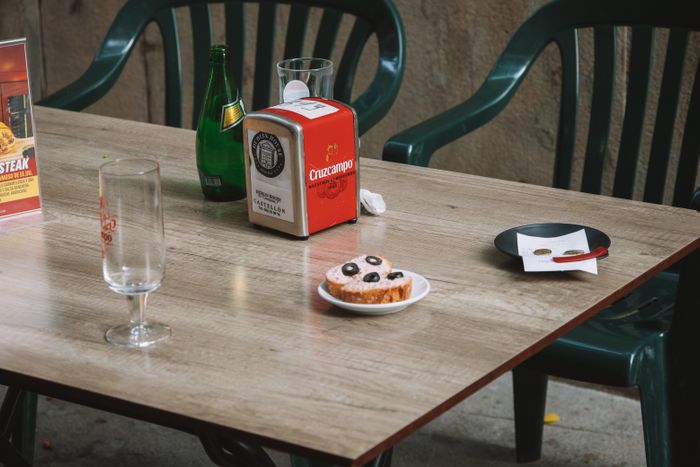
Whether you have recently completed an addiction treatment plan, or have been sober for many years, travelling can introduce a range of new challenges for individuals.
For example, a change in routine can often result in leaving behind support networks. This means that you might not have immediate access to your therapist, your support group, your sponsor, or your trusted friends whilst you travel or go on holiday to Spain.
Likewise, airports, hotels, restaurants, and holiday resorts can all expose you to alcohol.
Likewise, travelling specifically to Spain poses a number of additional challenges due to Spanish culture.
Drinking is a big part of Spanish culture, whether this includes having a few glasses of wine or sangria during tapas, drinking at a sports game or late-night drinking in bars and restaurants [1].
In addition to this, late-night eating and drinking foster a deeper relationship with alcohol.
Most people in Spain tend to eat their evening meal after nine or ten at night, before going for a few drinks. Over the years, this has fostered a buzzing nighttime economy in busy cities [1].
Before travelling, it is important to recognise that these challenges and exposures are normal. It is also important to remember that recovery from addiction is an ongoing process, and preparation can significantly reduce the risk of a relapse.
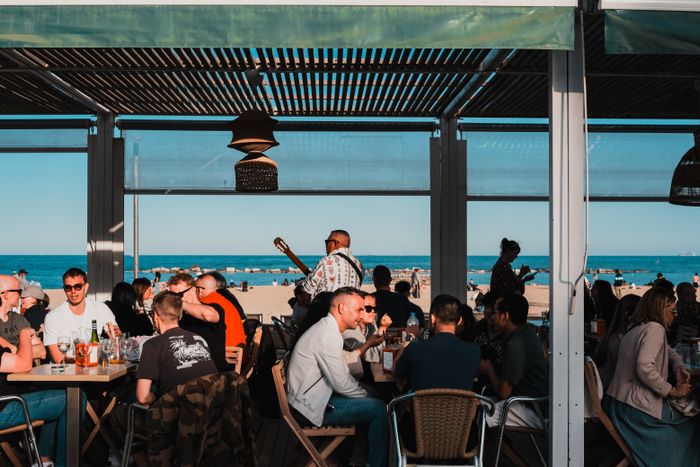
Below, we outline some tips for enjoying your stay in Spain whilst remaining sober:
One of the best ways to stay sober in Spain is to focus your efforts and your time around activities, rather than drinking alcohol.
This might feel different at first, as many holidays unintentionally revolve around alcohol. This is because when people think of holidays, they often think of visits to bars, beach clubs, vineyards or nightlife.
As a result of this, alcohol can become a huge part of your holiday without even realising it.
Instead of doing this, you should try to build your trip around experiences that support your wellbeing and your recovery. For example, you should try to spend some time visiting historic landmarks, exploring museums or art galleries, going on a walking tour or going on hikes to national parks.
Luckily, Spain offers a number of different opportunities for fun and entertainment that have nothing to do with drinking alcohol.
There are a number of cities, such as Madrid, Seville, Valencia, Granada, and Málaga that are all packed with a number of different cultural attractions that can easily fill an entire holiday without any thoughts of alcohol.
Many medical recovery specialists recommend that you establish clear intentions before travelling. You should ask yourself what you want to get out of this trip, how you plan on respecting your recovery journey and what you plan to do if you are exposed to triggers or experience a craving.
It is a known fact that people in recovery benefit from creating a written recovery plan before going on holiday. This plan should include a list of emergency contacts, a daily routine, relapse prevention strategies and a personal reminder of why staying sober is important to you.
Thankfully, there are now more alcohol-free options available in bars and restaurants across Europe, including in Spain.
In fact, many bars, restaurants and hotels now offer alcohol-free beer, mocktails, alcohol-free wine, fresh juices, specialty coffee or non-alcoholic sparkling drinks.
This is where learning some useful Spanish phrases can help. Below are some things that you can say if you want to order a non-alcoholic drink in Spain.
Knowing these phrases before you travel to Spain will increase your confidence when ordering drinks.
Likewise, many people visiting Spain are surprised to find that choosing not to drink is quite common abroad, and that not many people will question why you are choosing to remain sober.
Likewise, where you stay in Spain can have a huge impact on your recovery. This is because some holiday resorts are heavily centred around alcohol.
This includes all-inclusive resorts, party hotels and certain nightlife destinations that can expose you to a lot of alcohol.
If you are newly sober or have recently completed a detox, then you should consider choosing accommodation that supports a healthier lifestyle and prioritises your wellness.
You should consider staying at a wellness resort, a boutique hotel, a rural guesthouse, a spa resort or family-friendly accommodation.
A huge and very common fear for people during their recovery is being asked why they are not drinking. In reality, most people aren’t as interested in your drinking habits as you might think they are.
However, having simple responses ready can reduce your anxiety and make you confident enough to say no when an alcoholic drink is offered. If you want some go-to phrases, then you could use some of the phrases below when an alcoholic drink is offered to you.
It is important to understand that when it comes to alcohol consumption, you do not owe anyone a detailed explanation as to why you aren’t drinking.
Thankfully, Spain offers a large variety of refreshing alcohol-free alternatives. You could ask for a Horchata, which is a popular sweet drink made from tiger nuts and is widely available across Spain.
Likewise, you could opt for a Granizado de Limon, which is a frozen lemon drink usually drunk during the hot summer months.
Finally, the coffee drinking culture in Spain offers the perfect alternative to alcohol, as it allows people to socialise without feeling the pressure to go for a drink to see friends.
Thankfully, technology makes it easier than ever to remain connected whilst travelling and recovering from an addiction.
Before leaving for Spain, you should organise weekly or daily check-ins with your loved ones, identify online recovery support groups in the area you are travelling to and inform your sponsor of your travel plans.
Make sure that you have all your important phone contacts saved, so that you have their number available to contact at any time.
Unfortunately, whilst holidays can be incredibly refreshing and relaxing, holidays often involve abandoning your routines completely.
This can be incredibly disruptive for anyone recovering from a drug or alcohol addiction, as routine is incredibly important to aid recovery.
Whilst spontaneity can be enjoyable, maintaining some structure can strengthen recovery. Due to this, you should consider waking up at a consistent time each day, continue to exercise regularly, practise mindfulness, journal on a regular basis and eat healthy, balanced meals.
Finally, you should use the HALT acronym to remain strong and sober during your travels. HALT stands for hungry, angry, lonely and tired [2]. Whenever you are experiencing a craving on holiday, you first need to check to see if you are any of the above.
The likelihood is that you are not experiencing a craving for alcohol, but instead are either hungry, angry, lonely or tired.
These emotional and physical states can also increase your vulnerability to a relapse, and travelling to any country, especially Spain can easily create all four physical states.
For example, long flights, disrupted sleep, and unfamiliar environments can leave you feeling exhausted and emotionally vulnerable, putting you at a greater risk of a relapse [2].
This is why whilst you are on holiday, you should make a conscious effort to eat on a regular basis, stay hydrated, make sure that you get enough sleep, take regular breaks from walking and reach out for support when you need it.
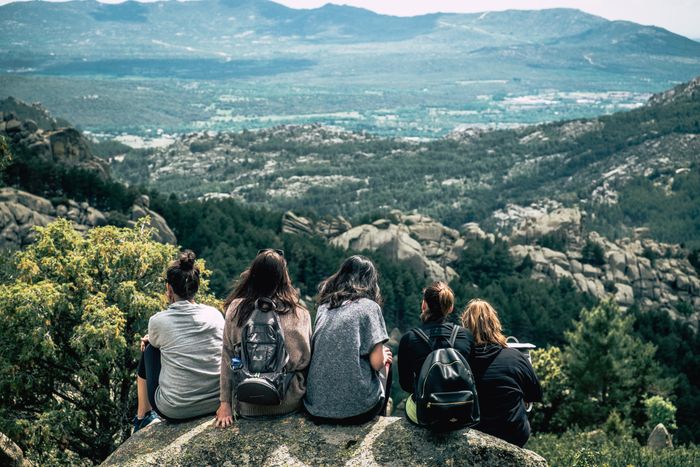
It is important to remember that addiction can affect every area of your life. For many people, seeking help through a detox and professional rehab represents a major turning point in your life, and recovery often brings opportunities that once seemed impossible.
Travelling sober is one of those opportunities that should not be overlooked. Instead of viewing travelling to the likes of Spain as a challenge to overcome, you should try to see it as a chance to prove how far you have come and prove to yourself what you are capable of.
Spain is still one of Europe’s most exciting and rewarding places and is incredibly popular with British people.
Whether you are relaxing on the Mediterranean coast, exploring historic cities such as Madrid, hiking through amazing landscapes, or enjoying world-class Spanish food, there are a number of different ways to enjoy the country without drinking alcohol.
It is important to understand that recovering from an addiction does not mean giving up travel, adventure, or spending time with loved ones.
In many cases, it means that you are able to remain sober and therefore experience them more fully.
If you have recently completed a detox programme, attended drug and alcohol rehab, or are continuing your recovery journey, then preparing for your trip abroad can help you enjoy a safe and fulfilling trip without having to worry about relapsing or experiencing a craving.
With the right mindset and support, travelling to Spain can become another chapter in your recovery journey, rather than something to avoid.
If you are ready to break free from your addiction to alcohol, then reaching out for help today could be the most important thing that you do.
For more help and support with your addiction, call our friendly and helpful team for free on 0800 140 4690 or by visiting our website for free by searching for www.rehab4addiction.co.uk.
[1] https://pmc.ncbi.nlm.nih.gov/articles/PMC12154337/
[2] https://pmc.ncbi.nlm.nih.gov/articles/PMC12827198/
Boris is our editor-in-chief at Rehab 4 Addiction. Boris is an advisor with more than 20 years in the field. His knowledge covers a broad of topics relating to addiction, rehab and recovery. Boris is an advisor and assists in the alcohol detox and rehab process. Boris has been featured on a variety of websites, including the Verywell Mind and Healthline. You can connect with Boris online at LinkedIn or X.com.
 September 6, 2026
 September 5, 2026