It’s challenging enough to stay sober day-to-day, but at the airport, social norms cease to exist. You see groups of teenagers ordering pints at 5am, couples drinking wine at midday, rows of people on the plane ordering alcohol.
No matter where you are on your recovery journey, the airport is not an easy place to be when you’re maintaining sobriety.
To get through the airport without drinking, you have to prepare yourself ahead of time. Today, we’re helping you with strategies for enjoying a completely sober journey.
At Rehab 4 Addiction, we also arrange treatment referrals for alcohol addiction, so don’t hesitate to give us a call on 0800 140 4690 (UK) or +44 345 222 3508 (international) to enquire about our services.
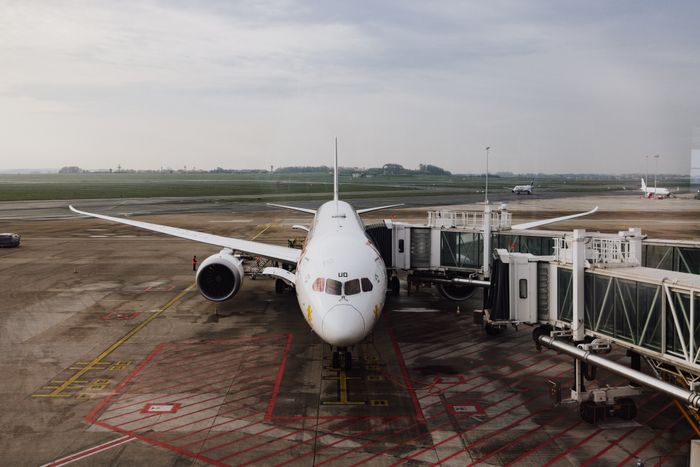
When we think of challenging places for people in recovery, we may cast our minds to pubs, bars, or weddings. The airport is often overlooked.
However, the airport can be very tricky to navigate in sobriety for many reasons.
As we’ve mentioned, when we’re in the airport, we don’t tend to follow standard social norms.
It’s socially acceptable to drink at unusual times, and to make alcohol a focal point of our journey, which means it’s much harder to maintain firm boundaries.
At the airport, you can access alcohol at all hours of the night, which means there are not many physical obstacles to getting a drink.
Pubs and bars can be open 24/7, and filled with people romanticising their drinking, which makes it extremely tricky to opt for soft drinks instead.
There’s not much to do at the airport but wait for your flight. This period of waiting is one of the riskiest when it comes to relapse.
For people who get anxious when travelling, it’s even harder to stay away from alcohol. The stress of something going wrong, or of dealing with active delays, can increase people’s desire to turn to alcohol.
If you’ve built a habit of drinking whenever you travel, that habit won’t go away overnight. You will naturally associate the airport with alcohol, until you’ve completed sober trips enough times.
Spontaneity is fuel for addiction. When you’ve not got any plans, options feel endless, and it can cause you to consider drinking as an exciting option.
That’s why it’s crucial to plan ahead. Decide ahead of time what you’re comfortable with, what your boundaries are, and how you’ll respond if someone tempts you with a drink.
Start your planning by considering:
It’s already recommended to arrive to the airport early, to ensure you still make your flight even if there are minor delays. The recommended time is generally 2 hours for short-haul and 3 hours for long-haul.
If you’re sober, we’d strongly recommend arriving even earlier.
That way, you’ve got plenty of time to make your way through the airport without getting stressed about your flight time. Taking your time helps you to feel in control, reminding you that your cravings don’t rule you.
There’s a caveat. If you tend to crave alcohol more when you’re waiting for something, avoid arriving excessively early.
Even if you can normally sit comfortably for hours in silence, we’d still recommend getting prepared by bringing books, downloading podcasts and music, and setting time aside to do tasks you’d normally procrastinate (such as sorting through your camera roll).
You don’t have to do any of these activities, but simply having the option can help remind you that you can enjoy your journey without drinking.
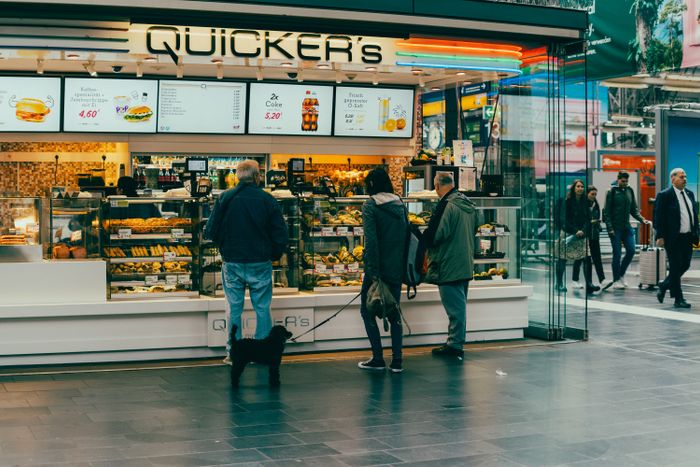
Neurobiologically, craving for alcohol is initiated in the same brain structures as pre-meal hunger (1).
This means you may think you’re craving alcohol, when you’re actually just hungry. It’s vital to take care of your basic needs first, including eating before you fly, to keep on top of cravings.
Even better if the meal is nutritious, as your mood and energy levels can stabilise before you fly.
Hydration is another basic need that can be confused for cravings. Make sure you’re drinking plenty of water throughout your journey, as you need more water than usual when you’re flying.
It may sound trivial, but deciding on a go-to soft drink can get you in the habit of reaching for that drink before you even consider reaching for alcohol.
Non-alcoholic alternative drinks work well for some people, but for others, they trigger cravings, so this is something to be wary of. Other go-to drinks could include various fizzy drinks, juice water, flavoured water, tea, or coffee.
Don’t keep your airport worries to yourself. The more you imagine worst-case scenarios, the more intimidating it feels to set off on your first sober airport trip.
Tell a friend or family member how you’re feeling, and ideally, bring someone with you who will encourage your sobriety and listen to your worries.
Some people choose to have sober coaches, who join them in challenging situations, including airport travel. This can take the pressure off the airport, as the sober coach remains calm, and keeps the person with addiction accountable.
If you’ve been to alcohol rehab, you’ll be a pro at stress management techniques. Don’t underestimate how powerful these techniques are when temptation hits.
You can try:
Everyone has a “why”. A reason you got sober.
Often, it’s a combination of reasons, which could include:
Dwell on these reasons as you make your way through the airport. You may even want to change your phone screen or have your notes app handy so that you can refer to these reminders whenever you need them.
Completing your first sober airport journey is something to celebrate!
Make sure you leave room for celebration on the other side of your journey, whether it’s a simple affirmation “I am capable”, a tasty treat, a proud call with a loved one, or ticking off the first item on your travel to-do list.
In many ways, alcohol takes us away from the present moment. It can make journeys feel faster and make people feel more content when waiting, but those effects are temporary.
When you follow a sober lifestyle, you have the gift of living completely in the present. Long-term, it becomes easier to sit through stressful periods, regulate your emotions, and be grateful for your surroundings.
This doesn’t happen automatically with sobriety. It’s what comes when you immerse yourself in alcohol addiction treatment.
If you haven’t received treatment for your alcoholism yet, we urge you to arrange this as soon as possible for your safety.
Get in touch with Rehab4Addiction on 0800 140 4690 (UK) or +44 345 222 3508 (international) for a fast referral to a top-quality treatment provider.
It’s significantly harder to resist cravings when you haven’t had professional help yet. For most people, lifelong sobriety isn’t feasible until they’ve worked through their addiction in a professional context, e.g., residential alcohol rehab.
This means sober travelling is very risky when you haven’t had a background of intensive recovery. It’s even more important to take our tips seriously, and lean on your support system as much as possible.
Getting a sober coach would be a step in the right direction, ensuring you have someone reliable to turn to at every stage of your journey.
Please remember it’s never too late to start your recovery from alcohol addiction. We’re here for you at any time of day, any day of the year.
If you’re struggling with alcohol misuse, dependence or addiction, professional support is available with Rehab4Addiction. We find suitable treatment services for you, based on our existing contacts with successful providers.
To talk to one of our advisors over the phone, please call us on 0800 140 4690 (UK) or +44 345 222 3508 (international). We’d love to support you.
Below, we outline some frequently asked questions around this important topic:
This is a personal choice. Think about your past experiences and decide whether airport bars would be triggering for you.
If you’re newly sober, you may not know how you’re going to feel in different environments, so it’s sensible to stay away from airport bars.
Try exploring more sober-friendly areas instead, such as a cosy café, or go straight to your gate after security.
Those who aren’t travelling alone might want to tell their travel companions about their plans, so that they can all avoid airport bars together, or the person with an addiction can feel free to explore other parts of the airport without judgement.
Airport lounges can be tricky places for people in recovery, as they tend to offer complimentary alcoholic drinks, making it very easy to access alcohol.
It’s still possible to enjoy an airport lounge while sober, by enjoying soft drinks, food, and relaxing seating, but it’s a case of knowing your triggers and deciding whether it would be a safe place for you.
Yes, it usually gets easier over time. The early stages of recovery are often the hardest for resisting temptation.
However, that’s not a guarantee. No matter how experienced you are in recovery, you’re still vulnerable to addiction.
It’s crucial to stay mindful of your triggers and apply healthy coping mechanisms to situations like the airport, as cravings can unexpectedly interrupt your journey.
Time isn’t the only reason sober travelling gets easier. It’s also down to practice. You learn what works for you and what doesn’t, and you can gradually refine your airport experience to make it as sober-friendly as possible.
Yes, 12-step groups, such as Alcoholics Anonymous, can absolutely help with travel-related anxiety.
Sober travel is a common obstacle for many people in recovery, so you’re unlikely to be the only one in the room battling this.
Don’t wait for the topic to be brought up by someone else. If you voice your concerns about travel, you can receive reassurance, encouragement, and possibly even a similar story from someone else in the room.
[1] https://academic.oup.com/alcalc/article/58/2/151/6979460?guestAccessKey=
Boris is our editor-in-chief at Rehab 4 Addiction. Boris is an advisor with more than 20 years in the field. His knowledge covers a broad of topics relating to addiction, rehab and recovery. Boris is an advisor and assists in the alcohol detox and rehab process. Boris has been featured on a variety of websites, including the Verywell Mind and Healthline. You can connect with Boris online at LinkedIn or X.com.
 September 6, 2026
 September 5, 2026