For many people who are choosing to go sober, choosing not to drink alcohol is a straightforward decision.
However, for others, especially those recovering from an addiction, completing an alcohol detox, or attending drug and alcohol rehab, the question “Why aren’t you drinking?” can feel incredibly complicated and difficult to answer.
Despite the fact that more and more people are aware of addiction issues, sobriety and recovery, alcohol still remains deeply embedded in British culture, especially during the summer months.
Whether you are attending a wedding, a work event, a family gathering or even just a family summer barbecue, saying no to a drink can still draw attention to you, as well as some unwanted questions and unwanted pressure.
However, the important thing to remember is that you never owe anyone an explanation [1,2].
That being said, using humour to deflect any unwanted attention onto you can be an incredibly useful tool [1].
A funny response to “Why aren’t you drinking alcohol” can deflect awkward questions, change the subject and help you feel more comfortable in social situations.
It also allows you to maintain your boundaries and your respect without turning the conversation into a discussion about your issues, your addiction or your personal health.
In this article, we will explore some funny ways that you can tell people you do not drink alcohol.
We will also explore why people often feel pressured to explain themselves to others and how maintaining your recovery after detox and rehab can become easier with increased confidence.
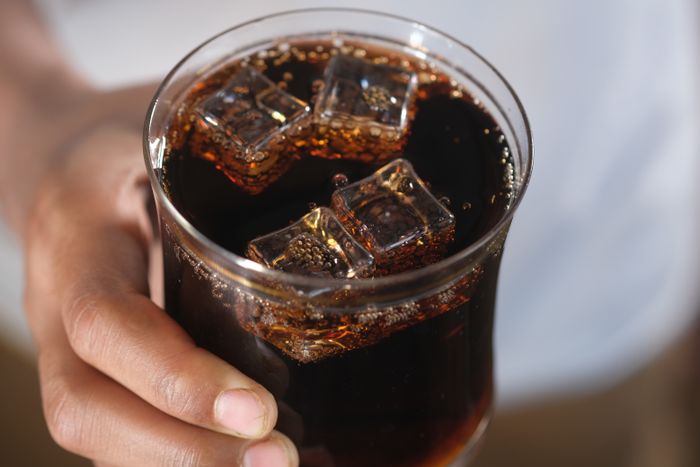
It is important to understand that there are a wide range of reasons why someone might ask why you are not drinking, and it is also important to remember that people do not always ask out of malice.
Many people might be shocked to see that you are not drinking because alcohol is often treated as the default at social events across the UK. When someone chooses not to drink, it can stand out simply because it’s different from what people expect.
Sometimes people ask because they’re curious. Sometimes they ask because they’re worried that they will be judged for drinking themselves.
Occasionally, people might be uncomfortable themselves examining their own relationship with alcohol. However, research suggests that people can often feel defensive when others choose not to drink, especially if alcohol plays a significant role in their own social lives [3].
When it comes to your own recovery from an addiction, these interactions and questions can be unhelpful and frustrating. After completing a detox and rehab plan, learning how to navigate these social situations is often an incredibly important part of your long-term recovery and your growth.
This is where humour can come into play and be incredibly helpful. For example, a well-timed joke can help you move the conversation along without revealing why you are choosing not to drink.

Below is a list of some light-hearted and friendly responses to why you are not drinking alcohol that can help you decline a drink whilst keeping things friendly.
This response usually always gets a laugh. It suggests that you have consumed all the alcohol allocated to you for your entire life and have officially retired from drinking. It’s playful, memorable and difficult to argue with.
If someone is particularly persistent, this one often works well. It adds humour whilst also subtly hinting that alcohol and your body don’t work together anymore.
For those who have experienced addiction, completed a detox, there may be more truth in the joke than people realise, making it incredibly hard to argue with.
Many people use driving as a reason not to drink. This version adds a humorous twist, and it also ends the conversation quite quickly, as most people recognise being the designated driver as a reasonable excuse and reason why you might not be drinking.
This joke often lands very well because it is so relatable.
Most people have at least one story involving alcohol when they have embarrassed themselves, so this is a great way to engage with the person asking questions whilst batting off any suspicion.
Again, this one is relatable and easy to get away with. This is because many people stop drinking alcohol in the first place because of the dreaded and inevitable hangover.
This response allows you to use that as your excuse without drawing any other unwanted attention onto yourself.
Again, using a hangover is a great way of batting off any questions. This is one of the simplest and most effective responses, and it’s hard to argue with.
Unfortunately, weddings can be especially challenging for people who are struggling from an addiction or who are currently in addiction recovery.
This is because at a wedding, alcohol is often available throughout the day, and many guests may be surprised to see someone declining champagne at a toast [2].
Lots of people who suffer from addiction issues avoid attending weddings altogether for this reason. This means that you miss out on spending time with loved ones and miss out on creating memories that you deserve to make.
Below are just some humorous ways that you can decline alcohol without ruining the mood or tone of the celebrations.
This is both simple and effective and uses humour to bat away any questions about why you might not be drinking alcohol. It’s guaranteed to get some laughs and is hard to argue with or question.
This response can be amusing if you have friends who remember exactly what happens to your dancing skills after you have a few drinks. Most people get embarrassed about how they behave after a few drinks, making this comment both relatable and effective.
This is a light-hearted way of making yourself the responsible one. This is especially effective if you are surrounded by other people who tend to drink too much and are likely to wake up remembering very little from the day.
Unfortunately, some people simply do not take the hint. Whilst most people accept a polite comment, you will occasionally encounter someone who simply won’t let it go.
In these situations, humour can still help. However, it’s important to remember that you do not need to justify your decision in any way and can always just walk off.
Many people in addiction recovery discover that the most effective response is often the most direct one, by simply saying “No thank you, I do not drink.”
It is important to remember that you do not need an excuse, a joke, a medical reason or an elaborate story to explain why you do not drink.

Whilst you never need to use an excuse or a joke as a deflective tool, it is important to understand that humour has been used as a valuable coping mechanism for decades.
For those who are currently recovering from an addiction, using humour in these situations can help to reduce any anxiety in social situations and provide the individual with a sense of confidence.
After completing an alcohol detox or stint in a rehab facility, many individuals worry about how their friends, their family and their work colleagues will react.
This is why having a few prepared responses and answers can make these situations feel a lot less daunting.
This is because humour has been proven to reduce tension, change the subject, prevent awkward conversations, reinforce personal boundaries, increase your confidence and make you feel more comfortable in social situations
Whilst socialising whilst drinking alcohol is a huge part of British culture, choosing not to drink is becoming increasingly common across the UK and the rest of the world.
This is due to millennials and Gen Z’s taking their health more seriously than compared to other generations.
Likewise, there has also been growth in alcohol-free beers, mocktails and sober-curious movements which has helped to challenge the idea that alcohol is necessary in order to have fun.
As a result of this, more people than ever are actively questioning their relationship with alcohol and choosing to remain sober.
There are a number of different reasons why younger generations are choosing not to drink alcohol, including some of the reasons listed below for you.
This shift in drinking culture means that choosing not to drink alcohol is slowly becoming more accepted, which is fantastic news for anyone suffering from a drug or alcohol addiction.
One of the most important milestones after completing an alcohol detox and or rehab treatment plan is learning how to enjoy life without alcohol.
Whilst at the beginning of your recovery journey this might not feel realistic, it is important to remember that there is hope and you will find yourself enjoying social situations again one day.
In fact, lots of people discover that remaining sober during social events actually offers them a range of benefits that they never expected, including improved mental clarity, better sleep, increased energy, better relationships with loved ones and an increase in confidence.
Over time, as your addiction recovery progresses, saying no to a drink often becomes second nature. Likewise, the questions become less intimidating, and the jokes become easier to take.
Eventually, your decision not to drink simply becomes part of who you are, and less people will judge or question you on it.
Whether you have recently completed an alcohol detox plan, are currently attending rehab, or are years into your recovery, it is important to remember that you never owe anyone an explanation.
Having said that, humour can be an incredibly useful way to navigate social situations, diffuse any awkward questions and maintain your boundaries to allow you to remain sober.
Most importantly, it is important to remember that being sober is something to be proud of.
This is because recovery from addiction issues takes an incredible amount of courage, commitment and resilience which is something that you should be proud of.
If you are struggling with an addiction issue or are considering attending drug and alcohol rehab, then it is important to remember that professional support is available for you.
With the right treatment and support, long-term recovery from alcohol is possible, and over time you will feel confident to attend social events again.
[1] https://pmc.ncbi.nlm.nih.gov/articles/PMC4895029/
[2] https://pmc.ncbi.nlm.nih.gov/articles/PMC10528354/
[3] https://pmc.ncbi.nlm.nih.gov/articles/PMC3666935/
Boris is our editor-in-chief at Rehab 4 Addiction. Boris is an advisor with more than 20 years in the field. His knowledge covers a broad of topics relating to addiction, rehab and recovery. Boris is an advisor and assists in the alcohol detox and rehab process. Boris has been featured on a variety of websites, including the Verywell Mind and Healthline. You can connect with Boris online at LinkedIn or X.com.