9th September 2026 is Foetal Alcohol Spectrum Disorders Awareness Day.
As addiction referral specialists, we see the impact of FASD on a regular basis, and we believe in the power of early intervention for supporting pregnant women with alcohol dependence or addiction.
Before we tackle this subject, take a moment to consider whether you or someone you love may need professional help for a drug or alcohol addiction.
Our services are available 24/7. All you need to do is contact us on 0800 140 4690.
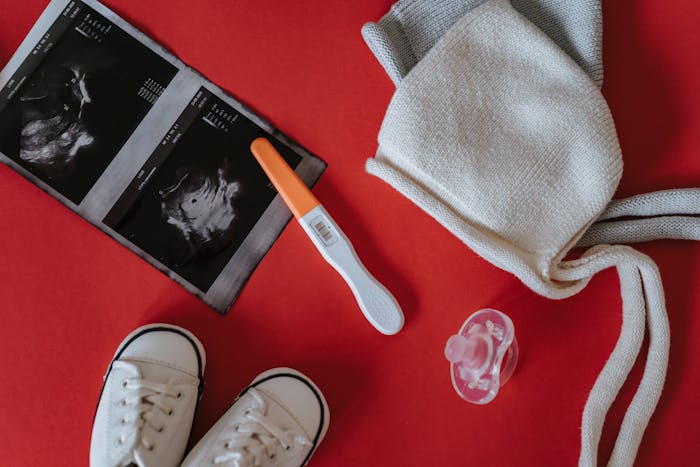
Every 9th September, the National Organisation for FASD raises awareness for foetal alcohol spectrum disorders (FASD).
If you don’t know much about the subject, why not change that this year?
Join us as we talk about the dangers of drinking any amount of alcohol during pregnancy, and discuss how you can get involved with awareness and prevention this year.
When a pregnant mother drinks alcohol, the unborn baby is at risk of developing FASD. There are different types of FASD, but all of these disorders can cause serious impairments in the baby’s physical, behavioural and cognitive functioning.
Sometimes, babies with FADS are undiagnosed, which can lead to a worsening of symptoms. Raising awareness helps with early diagnosis, allowing these babies to get the support they need as they progress through their childhood and adulthood.
FASD is always preventable. Some women believe it’s safe to simply reduce alcohol intake when pregnant, but the truth is that any amount of alcohol could pose a risk to the baby’s health, and if FASD does develop, the symptoms are lifelong.
These disorders don’t present the same in everyone, but they commonly cause issues with:
Below, we outline how you can get involved with FASD Awareness Day 2026:
Most of us aren’t well-informed on FASD, so even opening up the conversation is a great way to raise awareness.
Why not ask your friends and family if they’ve heard about FASD day, and share some information with them?
Charities always appreciate people’s kindness in giving their time and/or money to this worthy cause.
Volunteering with a charity could enable you to support families affected by FASD.
Although drinking during pregnancy is never a safe choice, it does happen, and volunteers can help families feel understood and valued.
This type of support is contagious, and it can inspire families to get involved with FASD Awareness Day to prevent other families from being in their situation.
Showing your support publicly is a great way to get people thinking about FASD. Lots of people choose to wear red clothing or a red ribbon on the 9th September, or in September in general, to show their support.
You’re off to a great start by informing yourself of the risks of drinking while pregnant.
We’d recommend exploring this topic further, whether it’s attending a workshop during FASD Awareness Week, watching a TikTok, listening to a podcast, or reading a book on FASD.

Alcohol is risky during any stage of pregnancy.
There are certain factors that can increase these risks significantly, such as drinking frequently, binge drinking, and drinking during the first trimester, when the majority of development happens.
However, let’s be clear: drinking any amount of alcohol, in any trimester of pregnancy, comes with serious risks to the baby’s health. The alcohol passes to the baby through the placenta, sometimes causing great harm.
Even just one alcoholic drink per day is linked to growth problems in unborn babies (1).
Other risks associated with drinking while pregnant include:
We understand that some women are drinking before they realise they’re pregnant. This comes with a low risk of miscarriage, so it isn’t something to panic about.
However, the risk still exists, so it’s important to speak to your GP about stopping drinking. If you’re reliant on alcohol, quitting cold turkey can be very dangerous, so always go to the GP first.
If you’re planning on getting pregnant, the NHS advises quitting alcohol to keep risks as low as possible, as well as staying away from alcohol throughout pregnancy (2).
NHS guidance tells us that drinking during pregnancy is dangerous, and pregnant women should stop drinking as soon as possible. What happens if it’s not that easy?
If a pregnant woman is struggling to give up alcohol, it’s very likely that she is dealing with some form of alcohol dependence or alcohol addiction.
Continuing to drink despite causing harm is one of the signs of alcoholism. Other signs are:
Addiction is a disease, so it’s not as simple as putting the glass down. Many women who drink while pregnant are also dealing with additional mental health challenges, a lack of support, and sometimes trauma.
There is support out there for pregnant women who are battling alcohol dependence or addiction. Plenty of addiction treatment programmes are accessible to pregnant women, and provide tailored treatment, such as trauma therapy, to ensure the relapse risk stays as low as possible.
In residential rehab facilities, aftercare is commonly provided for one year after the client leaves rehab.
This can be life-changing for pregnant women, as they will continue to receive high-quality support further into the pregnancy, and after the baby is born.

Though any drinking can harm unborn babies, there is a difference between stopping drinking early on, and continuing to drink throughout pregnancy. The former comes with much lower risks.
Early intervention is one of the most successful methods for preventing drinking during pregnancy entirely, or inspiring women to stop drinking earlier in their pregnancy.
It’s all about educating women on the risks of alcohol use before and during pregnancy, and providing support for giving up alcohol.
Layered support works best, which is why many programmes combine education with access to mental health services and addiction treatment.
Early intervention changes lives. As well as raising awareness and causing the FASD rate to drop, it also:
Reducing shame may be seen as controversial. However, shame is not an effective recovery tool. It’s one of the key obstacles to early intervention.
Removing the stigma won’t increase the rates of drinking during pregnancy.
It’s something that happens anyway. We’re simply choosing to acknowledge the issue, and encourage pregnant women to speak up when they need support.
Asking for help is just the starting point, but it’s an action that can lead to significantly lower risk to pregnant women and their unborn babies.
Speaking up about drinking during pregnancy isn’t easy. Rest assured that our advisors are as compassionate as they are informed.
If you’re interested in reaching out to us on 0800 140 4690, you can expect a non-judgemental conversation and expert advice.
We don’t push referrals, we wait until you’re ready.
Below, we outline answers to common questions about FASD Awareness Day:
1.2-2.4 million people in the UK have FASD, which equates to 1-2 students per year group (3).
Some of these people are undiagnosed, meaning they aren’t receiving support. This is why it’s so important to get involved with FASD Awareness Day.
Addiction treatment comes in the form of home detoxing, outpatient detoxing, inpatient rehab, outpatient rehab, group therapy, individual therapy, online therapy, and other tailored services.
It’s important for pregnant women to ensure their treatment is safe and suitable for them. If you get in touch with Rehab4Addiction, we will find a facility that is equipped to support you.
No, alcohol exposure doesn’t always lead to FASD. However, there is always a risk of FASD or other complications, which is why the NHS advises to not drink at all when pregnant.
FASD is usually diagnosed in early childhood, when distinct facial features become more visible, and behavioural challenges may become more obvious.
However, it’s also possible for adults to be diagnosed, if signs were missed.
In some cases, FASD can be diagnosed in newborns based on factors such as facial features and low birth rate.
[2] https://www.nhs.uk/pregnancy/keeping-well/drinking-alcohol-while-pregnant/
[3] https://nationalfasd.org.uk/new-study-shows-fasd-affects-millions-in-the-uk-2021/
Boris is our editor-in-chief at Rehab 4 Addiction. Boris is an advisor with more than 20 years in the field. His knowledge covers a broad of topics relating to addiction, rehab and recovery. Boris is an advisor and assists in the alcohol detox and rehab process. Boris has been featured on a variety of websites, including the Verywell Mind and Healthline. You can connect with Boris online at LinkedIn or X.com.
 October 14, 2026
 October 6, 2026
 October 1, 2026